Oxygen: The Molecule that Made the World
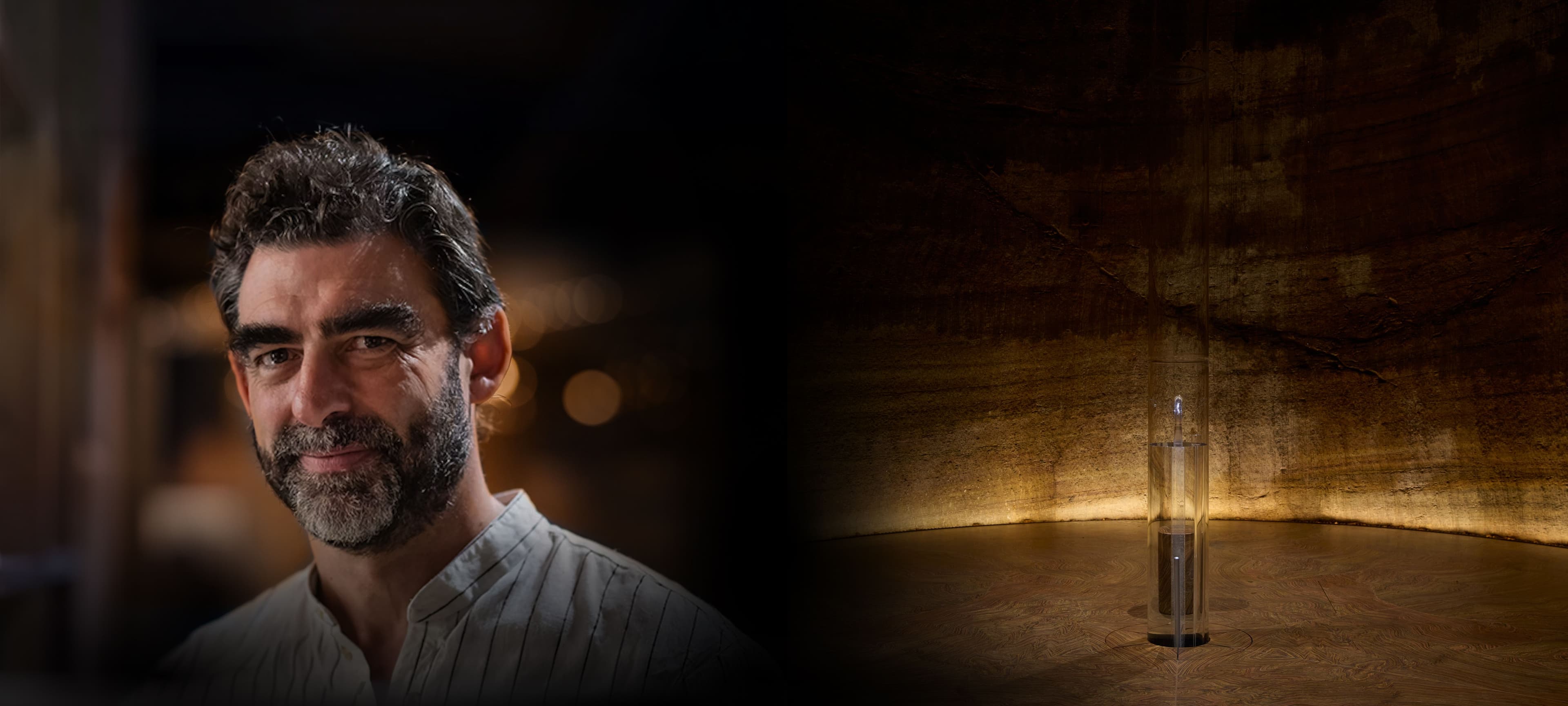
With Nick Lane
If you’ve never understood what happened during the Great Oxidation Event, now's your chance to find out from the guy who literally wrote the book on oxygen.
We all know that oxygen is produced by photosynthesis in plants. It’s the most precious waste product in the long history of life on Earth. But oxygen levels remain at about 21 per cent in the air because animals, fungi and the rest consume as much oxygen as is formed by photosynthesis, when we breathe. It’s an eternal balance. Except that it isn’t—there was essentially zero oxygen for the first two billion years of life. And then a global cataclysm with a worldwide freeze—a ‘Snowball Earth’—followed by the Great Oxidation Event, seen most vividly in western Australia. And then another billion years of tedium (geologists even call it the ‘boring billion’), followed by more global ructions … and the Cambrian explosion, when the first proper animals erupted into the fossil record little more than 500 million years ago. What were the chances of the Earth ever acquiring an oxygenated atmosphere? Could high-energy animals exist without it? And how do we even know what gases filled the air three billion years ago?
Find out from Nick Lane, a professor of evolutionary biochemistry and director of the Centre for Life’s Origins and Evolution (CLOE) at University College London. His book Oxygen: The Molecule That Made the World partly inspired Julian Charrière’s artwork Breathe, which is now a permanent part of the museum. So David Walsh wrote to Nick, asking him to contribute to Julian's exhibition catalogue, and said: ‘You started this. You should bloody well help us finish it.’
Now Nick’s coming to Tassie to talk us through the science, and tell the tale of how we got our oxygen. Followed by an audience Q&A.
Image: Breathe, 2026, Julian Charrière
Where:
Phrontisterion, Mona
Price:
Free. Register for a ticket.
Time:
6.15–8pm (doors 6pm)